Subsidiaries










Stormwater management is becoming a core resilience priority for cities as shorter, more intense rainfall events and rapid urbanization increase runoff and overwhelm legacy drainage systems. Real innovation in this space is systemic—combining underground retention/detention, intelligent flow regulation, pollution prevention, and long-term sustainability. This article explains why the most critical infrastructure innovation often happens out of sight, beneath our streets and buildings.
When we celebrate International Innovation Day, the spotlight usually turns to artificial intelligence, renewable energy, biotechnology, or digital transformation. These innovations are reshaping industries and redefining possibilities. Yet there is another field of innovation—less visible and rarely discussed—that is just as critical to the future of our cities: stormwater management.
Climate change is no longer theoretical. Cities worldwide are experiencing shorter, more intense rainfall events that overwhelm infrastructure, disrupt economic activity, and damage public and private assets. At the same time, rapid urbanization is reducing permeable surfaces, limiting natural groundwater infiltration and increasing runoff volumes. The result is mounting pressure on drainage systems that were designed for a different climate and a different level of urban density.
For decades, stormwater was viewed primarily as a nuisance—something to remove quickly and efficiently. The standard approach was simple: collect it, channel it, and discharge it away from populated areas. However, today’s environmental realities demand a more sophisticated perspective. Stormwater is not merely excess water; it is part of a broader water ecosystem and a strategic element of resilient urban planning.
This is where true innovation begins.
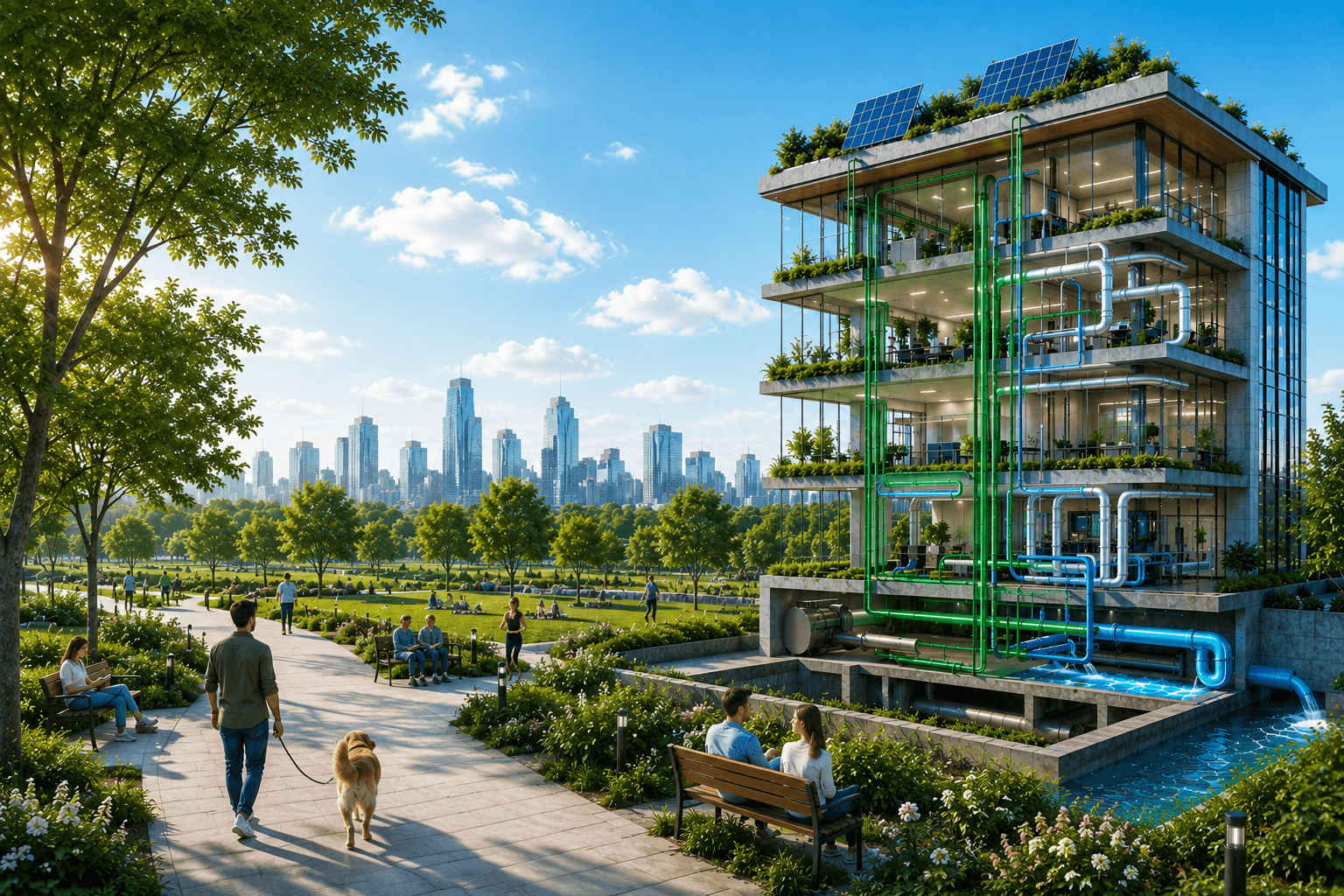
Innovation in stormwater management is not about a larger diameter pipe or a larger chamber alone. It requires systemic thinking. It calls for integrated underground retention and detention solutions, intelligent flow regulation, pollution prevention mechanisms, and the seamless connection between water supply, drainage, wastewater, and infrastructure systems. It demands long-term durability, regulatory compliance, and environmental accountability. Above all, it requires viewing infrastructure not as isolated components but as interconnected systems designed to serve communities for decades.
At Huliot Group, this integrated approach defines our philosophy. Operating in more than 60 global markets, we focus on comprehensive flow solutions rather than standalone products. Water supply, drainage, wastewater traitement, and infrastructure systems are designed to function in harmony—ensuring reliable, safe, and sustainable performance even under evolving environmental conditions. By approaching stormwater management as part of a broader infrastructure strategy, we move from reactive solutions to proactive resilience.
Beyond engineering performance, innovation in this field is inseparable from sustainability. The construction and infrastructure sectors account for a substantial share of global energy consumption and carbon emissions. Every design decision and material choice contributes to a project’s environmental footprint. Integrating Environmental Product Declarations (EPDs), circular economy principles, waste reduction strategies, and long-term performance optimization is no longer optional—it is central to responsible innovation.
To see how we think about long-term responsibility and materials, visit our Sustainability & Environment approach.
International Innovation Day invites us to broaden our definition of progress. Innovation is not limited to digital platforms or advanced algorithms. It is also about anticipating complex challenges and building storm water infrastructure capable of adapting to them. In the context of stormwater, innovation means protecting water resources, reducing urban risk, and strengthening community resilience in the face of climate uncertainty.
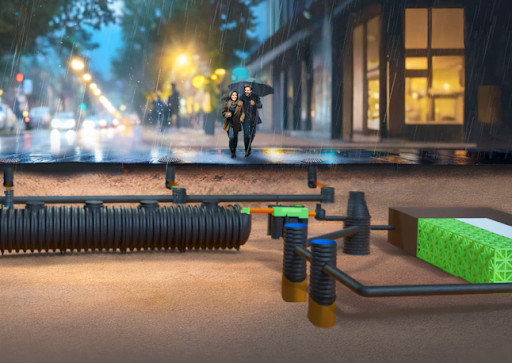
Some of the most transformative advancements happen out of sight. Beneath our streets and buildings lie the systems that enable cities to function, grow, and withstand environmental stress, and unexpected flow rates of rain falls as a result of global warming. Investing in intelligent, integrated infrastructure today is an investment in long-term stability and sustainable urban development.
If you want an example of underground infrastructure rethinking in practice, see our case study on reinventing manholes.
As we mark International Innovation Day, we should ask ourselves whether we are thinking broadly enough about innovation. Are we applying systemic thinking to the infrastructure challenges shaping the 21st century? Are we designing not only for efficiency, but for resilience?
The future of our cities will be shaped not only by what we build above ground, but by how intelligently we design what lies beneath it.

Discover how Huliot Group is integrating artificial intelligence across manufacturing, operations, quality, finance, and customer service to build a smarter industrial organization.