Subsidiaries










Data center cooling is not only an engineering challenge, it is a strategic management decision. Long-term reliability depends on system design, stable water flow, and consistent heat removal. Piping plays a critical role in this balance, and solutions such as PP-R CT systems enable predictable performance over decades. This article explains how integrated cooling infrastructure supports both technical performance and operational confidence.
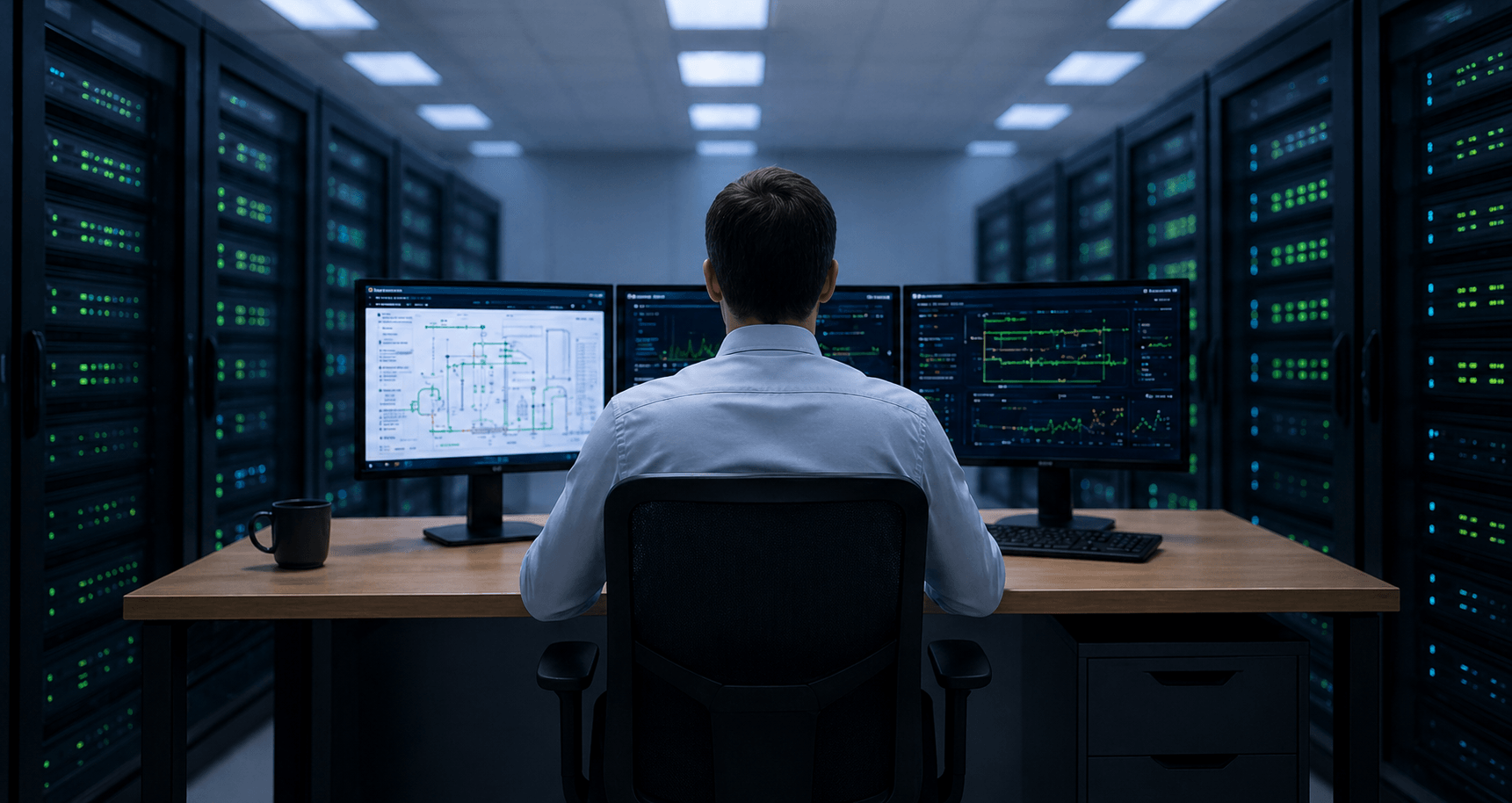
In modern data centers, cooling is often treated as a technical layer, something handled by engineers once the core infrastructure is defined. In reality, it is one of the most important management decisions in the entire project.
Cooling directly influences uptime, energy efficiency, and operational risk. A failure in cooling is not isolated, it affects servers, data integrity, and ultimately business continuity. This is why leading organizations no longer focus only on performance specifications. They focus on certainty over time.
For facility and operations teams, the question is not whether the system works today. It is whether it will continue to perform reliably, under continuous load, for years without unexpected failures.
This shift, from performance to reliability, defines how modern data center infrastructure is designed.
Data centers generate constant heat loads. Servers operate continuously, producing thermal energy that must be removed in real time. Cooling systems typically rely on closed-loop water circulation, where chilled water absorbs heat and transfers it to external systems.
At the same time, hot air must be extracted and expelled efficiently to prevent temperature buildup inside server environments. This creates a tightly interconnected relationship between water-based cooling and air management systems.
When water flow is stable, heat transfer is efficient. When heat transfer is efficient, air systems can maintain optimal conditions. But when one part of the system becomes unstable, whether due to flow inconsistencies, pressure imbalance, or system degradation, the entire thermal balance is affected.
Cooling, therefore, is not about individual components. It is about maintaining continuous equilibrium between water, heat, and air.
The Hidden Backbone: Why Piping Defines Cooling Performance
Cooling equipment often receives the most attention, chillers, pumps, and air handling units dominate design discussions. Yet the piping system that connects all these elements is what ultimately determines how effectively the system performs.
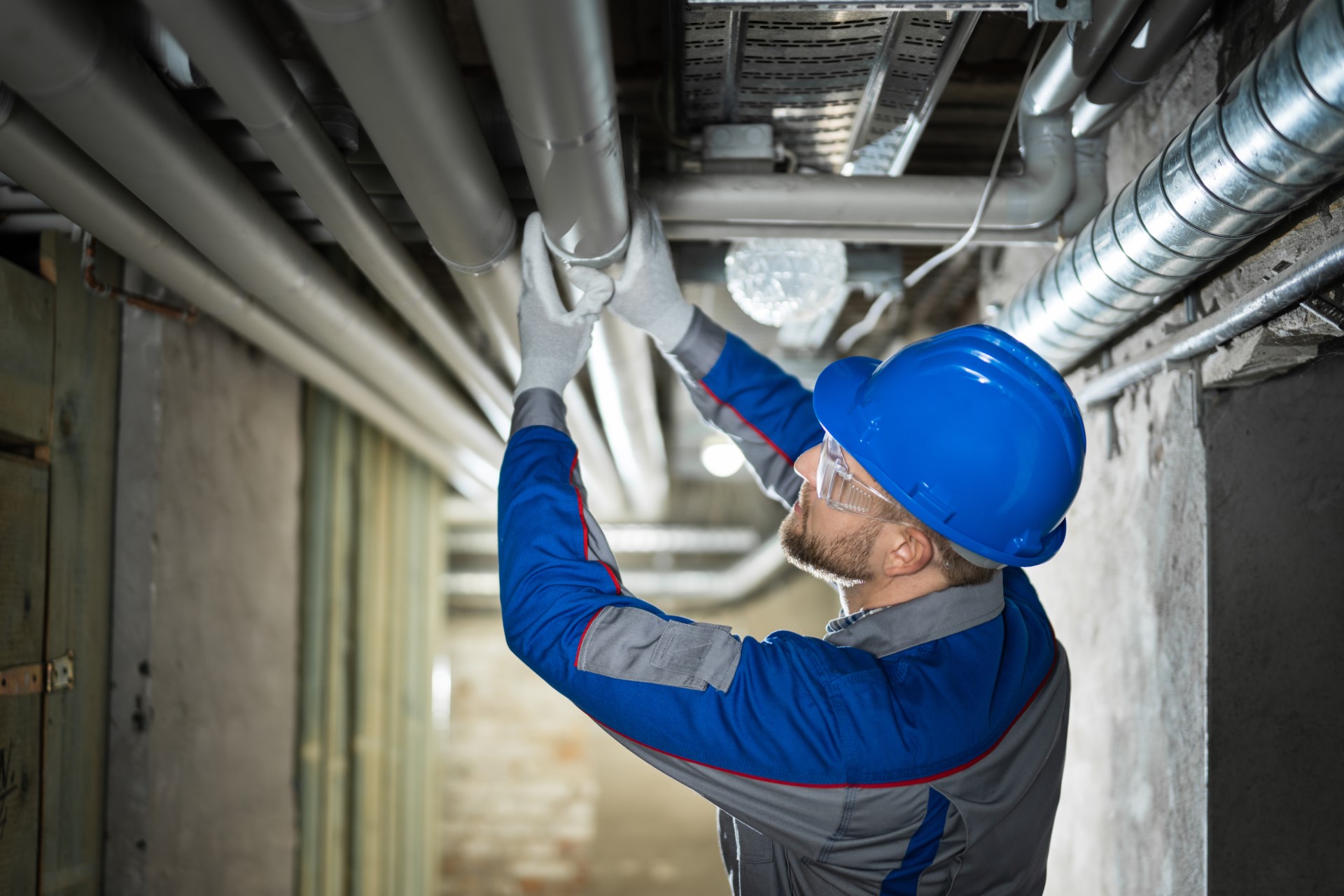
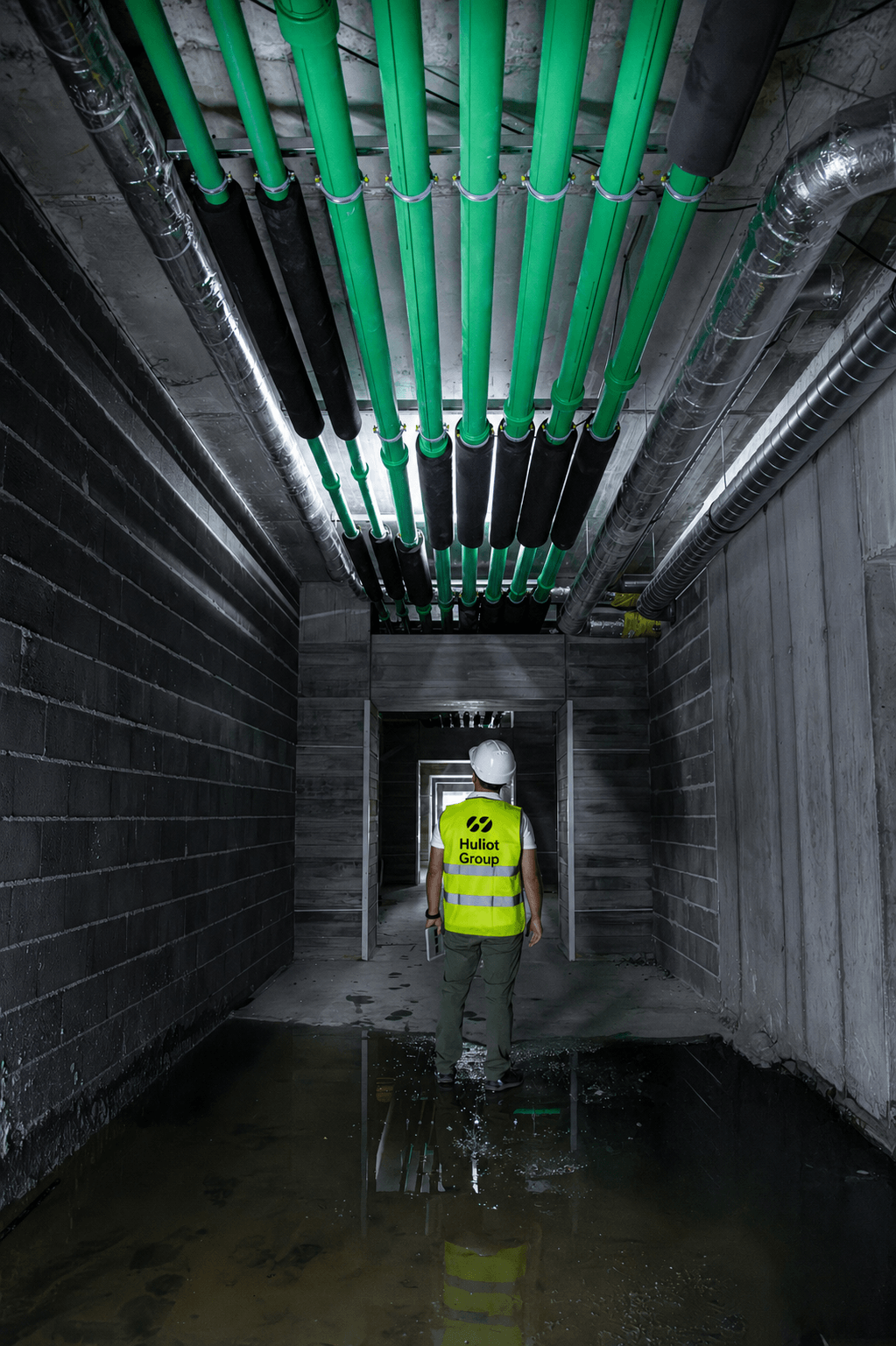
Piping is responsible for transporting cooling water across the facility, maintaining pressure stability, and ensuring consistent heat exchange. In practice, it functions as the circulatory system of the data center.
Even small inconsistencies in piping performance can have a measurable impact. Pressure drops, internal buildup, or minor leaks can reduce flow efficiency and create uneven cooling distribution. Over time, this leads to hotspots, increased energy demand, and reduced system reliability.
For this reason, piping should not be viewed as a secondary component. It is a core driver of cooling performance and long-term stability.
Designing Cooling Systems as Integrated Systems
Reliable cooling cannot be achieved through isolated decisions. It requires a system-based approach where every element works together predictably.
This includes stable hydraulic behavior, balanced flow distribution, and minimal energy loss across the network. Achieving this level of performance depends heavily on material selection.
PP-R CT (Polypropylene Random Copolymer) systems are widely used in industrial cooling and HVAC applications due to their ability to maintain consistent flow conditions. Their smooth internal surface reduces friction, helping preserve stable flow rates and efficient heat exchange over time.
Unlike traditional materials, PP-R CT does not suffer from internal corrosion or scale buildup. This means that system performance remains stable throughout its lifecycle, rather than degrading gradually.
In system terms, this translates into predictability, one of the most valuable qualities in mission-critical environments.
Stability Over Time: The Key to Real Reliability
Cooling systems in data centers operate under constant stress. Temperature cycles, pressure fluctuations, and continuous operation all influence performance.
Over time, many systems experience gradual degradation. Corrosion, scaling, and material fatigue can reduce efficiency and create hidden risks. These issues are rarely visible during commissioning but become critical during long-term operation.
PP-R CT systems address this challenge by maintaining chemical and structural stability over time. Their resistance to corrosion and internal buildup ensures that hydraulic conditions remain consistent, even after years of operation.
This consistency is essential. In data centers, even small changes in flow or heat transfer can disrupt the balance of the entire cooling system.
Supporting Air Management Through Water Stability
Air and water systems are deeply interconnected. Efficient air cooling depends on the system’s ability to remove heat through water loops.
When water flow is stable, heat is absorbed and transported efficiently. This allows air systems to operate within their intended design parameters. When piping performance declines, air systems must compensate, increasing energy consumption and operational strain.
A stable piping system ensures that heat removal remains consistent, supporting efficient airflow and reducing overall system load.
In this context, piping does not just support cooling, it enables it.
Installation Consistency at Scale
Data centers often involve extensive piping networks, with thousands of connections across large facilities. In such environments, installation consistency becomes a critical factor.
PP-R CT systems use fusion welding to create homogeneous connections between pipes and fittings. This eliminates mechanical weak points and ensures that each connection behaves as part of a continuous system.
The result is reduced variability, improved reliability, and consistent performance across the entire network. In mission-critical environments, reducing variability is one of the most effective ways to reduce risk.
Common Mistakes in Data Center Cooling Infrastructure
Many projects focus heavily on high-performance equipment while underestimating the importance of system integration. Even the most advanced cooling units cannot compensate for unstable flow conditions or inconsistent piping performance.
Another common issue is designing for initial performance rather than long-term operation. Systems may meet all requirements at commissioning but gradually lose efficiency due to material limitations or installation inconsistencies.
Finally, piping is often treated as a commodity rather than a strategic component. This approach can increase lifecycle costs and introduce avoidable risks over time.
Mini Case Snippet
Challenge:
A data center experienced uneven cooling performance and increasing energy consumption, despite using advanced cooling equipment.
Solution:
A system-level review identified inconsistencies in flow distribution and material performance. The solution focused on unifying the piping system using PP-R CT, improving connection consistency, and optimizing hydraulic balance.
Outcome:
Cooling stability improved, energy consumption decreased, and facility and operations teams gained greater confidence in long-term system performance.
How to Evaluate a Cooling System That Delivers Peace of Mind
Selecting a cooling solution requires looking beyond individual components and focusing on system behavior over time.
A reliable system should maintain stable flow and pressure, resist material degradation, and minimize installation variability. It should also integrate seamlessly with air management systems and be supported by technical expertise throughout its lifecycle.
For facility and operations teams, the real value lies not only in performance metrics, but in the ability to rely on the system without constant intervention.
Summary and Next Step
Data center cooling is not just an engineering challenge, it is a long-term operational strategy.
Reliable systems are built through integration, stability, and consistency. By focusing on system design, material performance, and installation quality, organizations can significantly reduce risk and improve efficiency.
Ultimately, the goal is simple:
to design systems that facility and operations teams can trust, day after day, year after year, without surprises.
For more information about integrated flow solutions, visit:
https://www.huliotgroup.com/

Discover how Huliot Group is integrating artificial intelligence across manufacturing, operations, quality, finance, and customer service to build a smarter industrial organization.