Subsidiaries










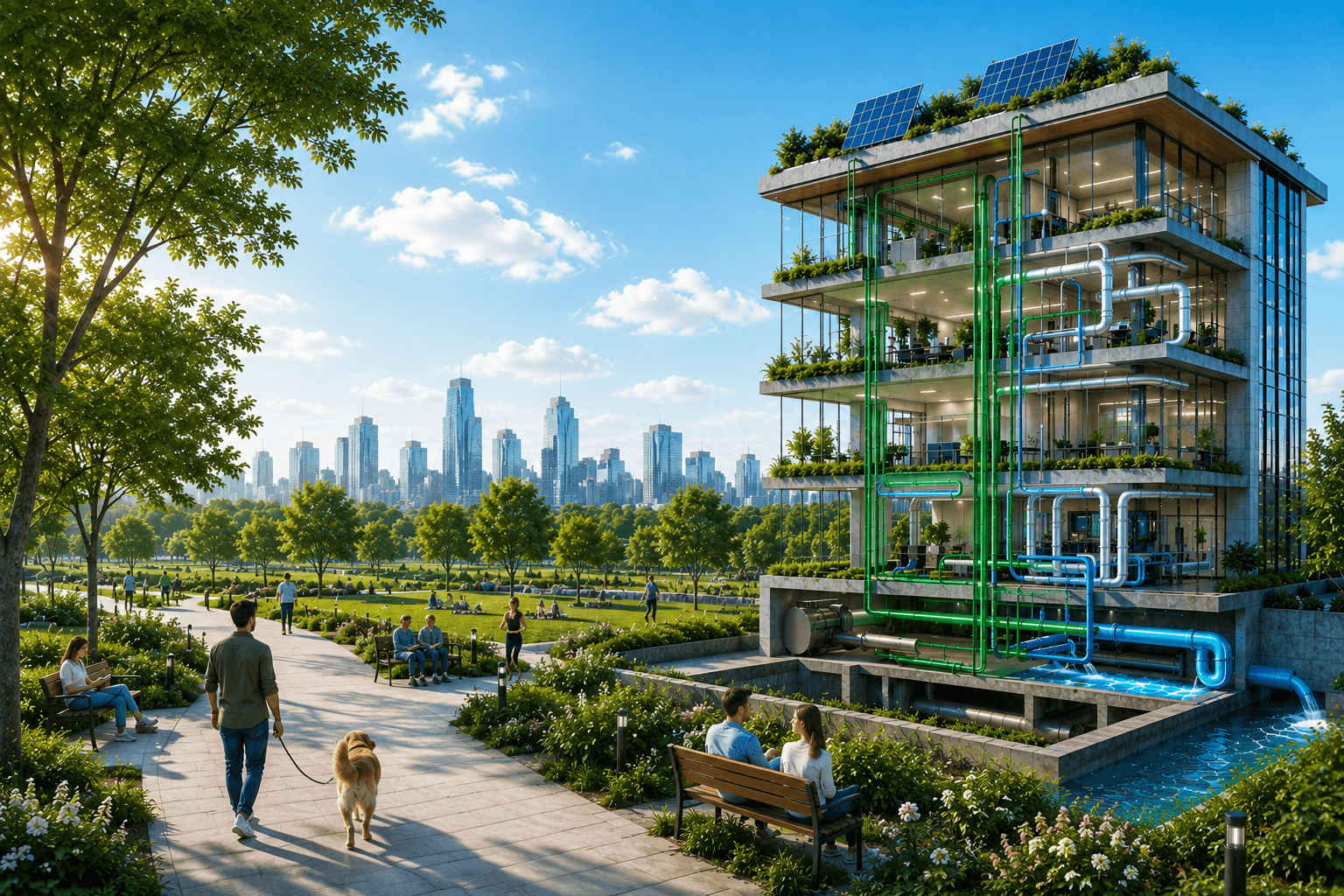
Stormwater infrastructure is undergoing a fundamental shift from simple drainage toward integrated systems that manage water quality, flow, and sustainability. Modern stormwater management systems now combine conveyance, separation, storage, and treatment — often directly at the source. Driven by evolving regulations and environmental demands, infrastructure components themselves are becoming part of the treatment process. This article explores what is changing, why it matters, and how to design systems that align with the next generation of infrastructure requirements.
The Context: Stormwater Is No Longer Just About Drainage
In recent years, a quiet but significant transformation has taken place in how stormwater is perceived within infrastructure projects. Traditionally, stormwater was treated as a technical issue that needed to be solved through efficient drainage — moving water away as quickly as possible to prevent flooding and protect assets.
Today, this perception is changing.
Stormwater is increasingly understood as a resource that must be managed, not just removed. Urban runoff carries pollutants from roads, industrial areas, and built environments into natural water systems. At the same time, climate patterns are intensifying rainfall events, placing additional stress on existing drainage infrastructure.
As a result, infrastructure design is shifting from a purely hydraulic approach toward a broader environmental perspective. The focus is no longer limited to flow capacity, but extends to water quality, system resilience, and long-term sustainability.
From Hydraulic Solutions to Water Quality Systems
One of the clearest trends in global research and field practice is the evolution of stormwater systems from hydraulic solutions to water-quality-driven systems.
In the past, systems were designed primarily for:
Today, these functions are only part of the equation. Modern systems incorporate:
This shift reflects a growing understanding that water quality must be addressed as early as possible in the system. Infrastructure elements such as pipes, chambers, and tanks are no longer passive — they play an active role in managing and improving water before it is discharged, infiltrated, or reused.
Selection Framework: Designing for the Next Generation of Stormwater Systems
Designing modern stormwater management systems requires a more integrated and forward-looking approach.
Materials and Performance
Stormwater infrastructure operates under highly variable conditions, including sudden flow surges, environmental exposure, and long-term mechanical loads. Materials such as polypropylene are widely used due to their durability, chemical resistance, and ability to maintain performance over time.
Multi-layer piping technologies, for example, are designed to provide both structural strength and optimized flow performance, enabling efficient conveyance while supporting long-term reliability.
Treatment at the Source
A key development in recent years is the move toward source-level water quality treatment. Instead of relying solely on centralized facilities, systems increasingly integrate treatment components directly into the infrastructure.
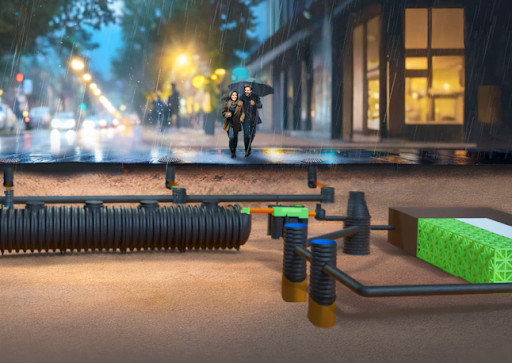
In practice, this means incorporating elements such as oil separators, grease separators, and modular storage units into the system design. These solutions allow pollutants to be removed early in the process, reducing environmental impact and improving overall system efficiency.
This approach also provides greater flexibility, as treatment can be adapted to specific site conditions and regulatory requirements.
Storage, Attenuation, and Control
Modern stormwater systems are designed not only to transport water, but to manage it over time. Detention tanks and storage systems play a central role in attenuating peak flows and ensuring controlled discharge.
By regulating flow rates and temporarily storing excess water, these systems help prevent overload in downstream networks and reduce the risk of flooding. At the same time, they create opportunities for reuse or infiltration, supporting more sustainable water management strategies.
Integrated System Thinking
Another important trend is the transition from component-based design to integrated system solutions.
Instead of selecting individual products, engineers are increasingly designing systems that combine:
into a unified solution.
This system-based approach aligns with the broader shift toward water-sensitive urban design, where infrastructure is planned as part of a connected ecosystem rather than as isolated elements.
Sustainability and Regulatory Drivers
Sustainability requirements are becoming a defining factor in infrastructure projects, particularly in Europe. Environmental Product Declarations (EPDs) and lifecycle assessments are now standard considerations in many tenders.
This shift is driving decision-making beyond initial cost, toward long-term environmental performance and resource efficiency. Materials, system design, and installation methods are all evaluated in terms of their impact over the full lifecycle of the project.
As a result, infrastructure solutions must not only perform technically, but also support sustainability goals and regulatory compliance.
Common Mistakes in Adapting to the New Approach
As stormwater systems evolve, certain gaps still appear in design and implementation.
A common challenge is maintaining a purely hydraulic mindset, focusing on flow capacity without addressing water quality requirements. Another is treating infrastructure components as passive elements, rather than recognizing their role in the overall system.
In some cases, systems are designed in a fragmented way, combining components that do not fully integrate. This can lead to inefficiencies, increased maintenance, and reduced long-term performance.
Finally, short-term cost considerations often outweigh lifecycle thinking, despite growing regulatory pressure to consider sustainability and long-term impact.
Mini Case Scenario
A commercial development project required compliance with new environmental regulations related to runoff contamination. The original drainage design focused on flow capacity but did not address water quality.
By redesigning the system to include integrated separation, storage, and controlled discharge, the project achieved compliance while improving overall system performance. The infrastructure itself became part of the treatment process, reducing reliance on external solutions and simplifying long-term operation.
How to Evaluate a Stormwater Solution or Supplier
In this evolving landscape, selecting the right solution requires a system-level perspective.
A strong solution should combine conveyance, storage, and treatment within a coherent design. Material performance, regulatory alignment, and installation efficiency are all critical factors. Equally important is the ability to deliver long-term value through durability, reduced maintenance, and environmental performance.
Suppliers that can provide integrated solutions — rather than individual components — are better positioned to support modern infrastructure needs.
Summary and Next Step
Stormwater infrastructure is entering a new phase. The shift from drainage to water quality systems reflects a broader transformation in how water is managed within the built environment.
Infrastructure is no longer defined solely by its ability to move water. It is measured by how effectively it manages flow, improves quality, and supports sustainability within a single system.
For Huliot Group, this shift represents a clear direction. Future value lies not only in piping products, but in the ability to deliver complete stormwater management solutions — connecting infrastructure, water quality, and environmental performance.
Organizations that adopt this integrated perspective will be better prepared to meet regulatory demands and deliver resilient, future-ready systems.

Discover how Huliot Group is integrating artificial intelligence across manufacturing, operations, quality, finance, and customer service to build a smarter industrial organization.